History Gal: Search results for primary source
Showing posts sorted by relevance for query primary source. Sort by date Show all posts

The Power of Primary Source Letters in History Class

As educators, we're always on the lookout for innovative ways to breathe life into history lessons. If you're like me, you understand the thrill of transporting students back in time to allow them to experience the past firsthand. However, sometimes our students perceive people from the past as distant or unrelatable. They easily dismiss their relevance because, before they know them, they are just random people who lived in times so different from our own. That's where primary source letters come into play! Today, we're exploring the captivating world of primary source letters and how they can transform your history lessons to engage your students! These letters bridge the gap between the past and the present. While doing so, they reveal how people from history are actually quite similar to us.

Use primary source letters in your history class to engage and inspire your students as they learn about important people, places, and facts from history.

Discovering Primary Source Letters

Let's kick things off by diving deeper into the wealth of knowledge held by primary source letters. These letters are authentic documents penned by individuals from the past. They offer us a direct line to their thoughts, emotions, and experiences. 
Primary source letters like these are a treasure trove of information relating to people in history which will be immediately exciting for your students to read.

Primary source letters are not just pieces of paper meant to collect dust. They're time capsules brimming with the hopes, fears, and dreams of their authors. From soldiers scribbling their thoughts on the battlefield to pioneers chronicling their journeys westwards, these letters capture what was happening during their eras. Whether it's an immigrant writing to family back home or a politician penning their next speech, each document offers us a different perspective of the past. They weave a tapestry of human experiences that cross continents and centuries. 

In a world where history books often focus on the big names and major events, primary source letters offer our young historians a change of pace. These letters shine a light on the everyday people whose stories might go untold—the unsung heroes and heroines who shaped history in their own small, but significant ways. 
0

Using Primary Source Photos in the Secondary History Classroom

Ever feel like you're putting on a circus act to grab your students' attention? I'm right there with you, especially in history class. It can be difficult to bring history to life in a way that makes it seem real and not just a "story" in a textbook. A total game-changer in my classroom has been using primary source photos. These photos are my secret to transporting my students back in time and making history memorable! They help to ignite curiosity and bring those history lessons to life, creating buy-in from my students. Today, I'm thrilled to share with you what primary source photos are, why they're beneficial, and where you can find some for your next class. 

Learn how to utilize primary source photos to make the most of your middle school history class.

0

Primary Sources: Helping Our Students Understand Their Value

Digging into history with primary sources brings the past to life in a way that no textbook ever could. Whether it's analyzing a political cartoon, exploring old photographs, or diving into firsthand accounts, using primary source examples helps our students connect with history in a meaningful way. Over the years, I’ve written several blog posts on how to make primary sources more engaging, accessible, and relevant in the classroom. This roundup pulls together all of those ideas into one place, so you’ll have plenty of strategies and resources at your fingertips. Let’s explore how we can bring history alive with primary sources!


Help students understand the value of primary sources using these engaging resources.

What Are Primary Sources?

Primary sources are firsthand accounts or original records.
Primary sources are firsthand accounts or original records created during the time of an event. Unlike secondary sources, which analyze or interpret historical events, primary source examples provide a direct window into the past. These can include letters, diaries, photographs, speeches, newspaper articles from the time, government documents, and even artifacts. When our students work with primary sources, they get to act as historians. They get to practice analyzing, questioning, and drawing their own conclusions based on real evidence. This not only builds critical thinking skills but also makes history feel more personal and engaging. By introducing our students to a variety of primary source examples, we help them develop a deeper understanding of historical events and perspectives.

Helping Students Analyze Primary Sources

Teaching our students to analyze primary sources is an essential skill that helps them think critically about history rather than just memorizing facts. In Helping Students Analyze Primary Sources, I break down simple strategies to guide students through the process of examining primary source examples. From asking the right questions to using graphic organizers, I share practical tips to help our students make sense of historical documents, photographs, and artifacts. The goal is to move beyond surface-level observations and encourage students to dig deeper. We want them to look at bias, context, and perspective. 

Using Letters As Primary Source Examples

Primary source letters can make history more relatable for students.
There’s something powerful about reading a letter written in the past. It feels personal and full of emotion. In Primary Source Letters: Bringing History to Life, I explore how primary source letters can make history more relatable for our students. These firsthand accounts offer a closer look at historical events. It gives our students the chance to see perspectives they might not find in a textbook. I also share primary source examples of letters from different time periods and discuss strategies for helping our students analyze them. Whether it’s a letter from a soldier, a political leader, or an everyday person, this type of primary source is a fantastic way to build engagement and critical thinking in history lessons.

My Life As a Primary Source

Students can connect with history by seeing their own experiences as primary sources.
Many of our students often think of primary sources as old, dusty documents from the past. What if they realized they could be primary source examples themselves? In My Life as a Primary Source, I share a creative way to help our students connect with history by seeing their own experiences as valuable records of the present. This activity encourages them to reflect on how diaries, letters, social media posts, and even photographs from their daily lives could one day be studied as primary sources. It’s a fun, engaging way to make history feel relevant while reinforcing the idea that primary sources aren’t just from the past. They’re being created every day!

Primary Sources Around Art

Works of art can tell powerful stories about the past.
Works of art can tell powerful stories about the past. It offers visual insight into historical events, cultural movements, and personal perspectives. In Art as Primary Sources, I dive into how paintings, sculptures, and other forms of artistic expression serve as primary source examples that help our students analyze history in a new way. I share strategies for guiding students through the process of interpreting historical artwork. I explain how my students use a graphic organizer to look at symbolism, context, and the artist’s perspective. Whether it’s a wartime propaganda poster or a Renaissance masterpiece, using primary sources like art can spark meaningful discussions and deepen historical understanding.

Political Cartoons Primary Source

Political cartoons are helpful when it comes to understanding historical perspectives, social issues, and political debates. In Political Cartoons as Primary Sources, I explore how these illustrations serve as primary source examples that help our students analyze historical events in a unique and engaging way. This post breaks down the different elements of political cartoons, such as symbolism, exaggeration, and irony. Each of these elements helps our students to decode the deeper messages behind them. 

Historical Speeches As Primary Sources

Historical speeches allow our students to analyze tone and historical context.
Few primary sources are as powerful as a speech delivered at a pivotal moment in history. In Historical Speeches as Primary Sources, I explore how speeches give our students direct access to the words, emotions, and perspectives of historical figures. Whether it’s the Gettysburg Address, Dr. Martin Luther King Jr.’s "I Have a Dream" speech, or a wartime address, these primary source examples allow our students to analyze tone and historical context. This post also includes strategies for breaking down speeches by looking at audience, purpose, and persuasive techniques. These help our students develop a deeper understanding of the messages being conveyed. 

Using Photos As Primary Sources

Students can visually analyze the past using photographs as primary sources.
A picture truly is worth a thousand words, especially when it comes to primary sources. In Using Primary Source Photos, I explore how historical photographs serve as powerful primary source examples that allow our students to visually analyze the past. This post dives into guiding our students through photo analysis by examining details, considering the photographer’s perspective, and questioning what’s included (or left out). I also share ways to encourage our students to make inferences and connect images to historical events. Whether it’s a snapshot of a major moment in history or a glimpse into everyday life from the past, primary source photos help our students to relate to history.

Bring History to Life With Primary Sources

Exploring history through primary sources transforms learning from passive reading into active discovery. Whether our students are analyzing letters, speeches, political cartoons, or photographs, these primary source examples offer a direct connection to the past. By including different types of primary sources in our lessons, we help our students think critically, question perspectives, and engage with history in a meaningful way. If you’re looking for new ways to make history come alive, these posts are packed with strategies and ideas to get you started. The more we immerse students in authentic historical materials, the more they’ll see history as a dynamic story. A story they can explore, analyze, and even contribute to in the future!

Save for Later

Remember to save this post to your favorite history Pinterest board for quick access to these resources for primary sources! 

Want to make history more engaging for your students? My latest post is a roundup of the best ways to use primary sources in the classroom. From analyzing historical letters and speeches to decoding political cartoons and photographs, these primary source examples will help your students think like historians. Give your lessons more depth, spark critical thinking, and help your students connect with history in a meaningful way. Check out the post and grab some fresh ideas for your next history lesson!
0

Making Primary Sources Personal with My Life as a Primary Source

Primary sources can feel a little intimidating for our students at first. The idea of being part of history is exciting. Figuring out how to write or analyze something that feels so "big" can be overwhelming. That’s why I love flipping the script and making it personal. One of the most powerful ways to teach this topic is by having our students see their own lives as a primary source. It’s such a meaningful way for them to realize that their stories matter and that history is being made right now, through them! Today, I’m sharing a resource I use to guide my students in writing about their lives as a primary source. It’s an engaging way to help them reflect, connect, and see the value of their personal experiences while building essential writing and critical thinking skills.


Make primary sources personal to students by having them look at their own lives as primary sources!

What is a Primary Source?

Letters, diaries, photographs and maps are all examples of primary sources that students can examine.
When I introduce the idea of a primary source to my students, I love starting with something relatable. A primary source is basically a firsthand account of an event, moment, or experience. I tell my students it's the closest thing we have to time travel! When it comes to history, this might mean letters, diaries, photographs, or even an old map. These are all pieces of evidence created by someone who was actually there. 

What makes primary sources so special is that they can give us insight into how people lived, what they thought, and how they saw the world at that time. It’s not just about the facts. It’s also about the feelings and experiences behind them. I always remind my students that, even though textbooks give us the big picture, a primary source helps make history feel real. When we flip the lens to focus on our own lives, it becomes even more meaningful!

How Are Our Personal Lives a Primary Source?

Students' writings like letters, journals and social media posts can all be primary sources of today's history.
I love seeing my students’ reactions when I tell them that their lives are a primary source. At first, they’re always a little surprised. "How can I be a primary source?" they ask. That’s when I explain that, just like a diary from the past or a photograph from an important event, their stories, experiences, and perspectives are valuable records of today’s world.

I remind them that everything they write about their lives, whether it’s a journal entry, a letter, or even a social media post, captures a piece of history. These personal accounts give future generations insight into what life was like for kids their age at this moment in time. They show what’s important to them, how they see the world, and what challenges and joys they’re experiencing.


Connecting their lives to the concept of a primary source makes history more real and accessible. It makes the idea of analyzing primary sources less intimidating, and it shows them that they’re not just learning about history—they’re living it. This activity helps them reflect on their own lives and gives them a new appreciation for the voices of the past that they study in class. It’s a powerful way to make history feel personal and relevant. Grab the free "My Life as a Primary Source" graphic organizer and keep reading to find out how you can use it in your classroom.

How I Use "My Life as a Primary Source" Graphic Organizer

This resource encourages students to reflect on their life experiences in a meaningful way.
One of my favorite ways to guide my students in turning their lives into a primary source is with a graphic organizer that breaks everything down into approachable pieces. The "My Life as a Primary Source" organizer encourages them to reflect on their experiences in a meaningful way. Each section is designed to capture different parts of their life story.


We start with “A Day in My Life,” where I have my students describe the good, the bad, and their unique perspectives on the present. This section helps them think about what makes their experiences stand out and how their daily life reflects the times they’re living in. Then, we move on to “Then and Now,” which asks them to compare how things used to be versus how they are now. It’s a great way to get them to see how they’ve grown and how the world around them has changed.


The last section of the organizer really brings it all together. They’re asked to share what they think future generations should know about this time. I also encourage them to include a meaningful quote, song lyric, or poem excerpt that sums it all up. This encourages creativity and helps them see the power of connecting personal stories with larger cultural moments.


Using this graphic organizer makes it so much easier for our students to see their lives as a primary source. It breaks the process into manageable steps while still leaving room for reflection and creativity. Watching them realize that their stories are just as important as the ones we study in class is inspiring! There is something about writing their own primary source story that makes looking at and analyzing other primary sources easier. That's why this is always the first activity I use when teaching about primary sources. 

Additional Resources 

Once my students were introduced to primary sources using their own stories, we were ready to dive into other types of primary sources. With this introduction, they could easily see that historic letters, pictures, and drawings were just a glimpse into someone's life. "My Life as a Primary Source" is just the beginning! To help them deepen their understanding and continue exploring the concept of primary sources, dive into a variety of other types of primary sources. From speeches to artwork, there's something to learn from them all.  Here are a few additional resources to help you as you teach primary sources in your classroom.

Save for Later

Remember to save this post to your favorite history Pinterest board to help your students turn their lives into primary sources!

Make primary sources personal to students by having them view their own lives as primary sources! Not only can they learn about how their own writings like social media posts and journals can be primary sources but they will also learn how to look at their experiences in a more meaningful way!
0

Helping Students Analyze Primary Sources

Students looking at a computer with the text Help Students Analyze Primary Sources

Do your students struggle with analyzing primary sources? 

Here are some things you can do to help.


Thumbnail image of product

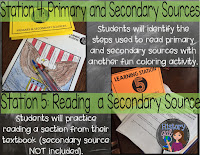
Begin by spending a few days on primary and secondary sources. This set includes doodle notes and station activities for both primary and secondary sources. I'd break this lesson into 3 days.

Day 1: Secondary Sources Doodle Notes
Day 2: Primary Sources Doodle Notes
Day 3: 5 Learning Stations to reinforce student knowledge of primary and secondary sources


Thumbnail of Primary Sources Doodle Notes
Image of station activity in Primary and Seconday Sources Lesson by History Gal
Images of station activities in Primary and Seconday Sources Lesson by History Gal

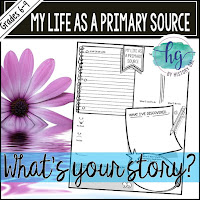
Thumbnail image of My Life as a Primary Source by History Gal
Next, remind students that many of the primary resources that they'll encounter were written or created by ordinary people living ordinary lives. Then, let them create a primary source document about their own life. Intrigued? I've created a free lesson that you can use!


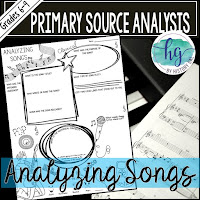
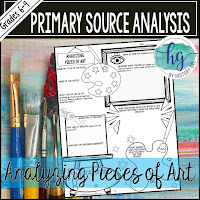
Then, during each unit, introduce your students to at least one primary source. It can be a letter, a speech, a photograph, a political cartoon, a piece of artwork, or even a song. Have students read it, listen to it, observe it, and think about how the primary source connects to the period of time they are learning about. 


Wish there was something you could use instead of creating primary sources analysis handouts yourself?


I've created engaging doodle pages for a variety of primary source types that make analyzing primary sources a lot easier for students!

Thumbnail image of Analyzing Letters as  a Primary Source by History Gal
Thumbail image of Analyzing Songs as  a Primary Source by History Gal
Thumbnail image of Analyzing Photographs as  a Primary Source by History Gal
Thumbnail of Analyzing Pieces of Art as  a Primary Source by History Gal
Thumbnail of Analyzing Speeches as  a Primary Source by History Gal
Thumbnail of Political Cartoons as  a Primary Source by History Gal

0

Using Art as Primary Sources in the History Classroom

Primary sources can sometimes feel a little overwhelming for our students. Diving into old documents or artifacts sounds cool, but it’s not always easy for them to make sense of it all. That’s why I love diving into them in class.  One of my favorites - art! Using art as a primary source just makes history feel more approachable and relatable. There’s something about looking at a painting or a sculpture that tells a story. Plus, it’s a fun way to help our kiddos connect with the past and spark those “aha!” moments while building their critical thinking skills. Today, I'm sharing with you a resource I use to help my students zero in on different aspects when they are analyzing art!


Using art as primary sources in the history classroom is a great way to give students a better understanding of time periods and important events.

What are Art Primary Sources?

Paintings, sculptures and photographs can all be used as primary sources.
Art primary sources are such a powerful way to connect with history. I love introducing them to my students. These are works of art, like paintings, sculptures, or even old photographs, that were created during the time period we’re studying. What makes them so special is how they let us step into the shoes of the people who lived through those moments. Art has this incredible way of capturing emotions, ideas, and even everyday life in a way that words sometimes can’t. When I bring art primary sources into my lessons, I find that my students start asking deeper questions and noticing details they might have missed otherwise. It’s like the past comes to life right in front of them!

Why Do My Students Need to Interact With Primary Sources?

Interacting with art as a primary source helps students to build understanding.
I’ve found that getting my students to interact with primary sources is one of the best ways to develop their critical thinking skills and deepen their understanding of history. Primary sources let them engage directly with the past. They could do this by analyzing a painting, reading a letter, or examining an artifact. History becomes so much more than just memorizing facts. When our students work with primary sources, they’re piecing together a story, uncovering perspectives, and making connections they wouldn’t get from a textbook alone.

Art primary sources bring this to life in a dynamic way. They challenge our students to observe, question, and interpret, all while giving them a glimpse of the human side of history. Plus, interacting with primary sources helps our students build skills they’ll use far beyond the classroom. It’s amazing to watch them grow more confident as they explore the material and start making discoveries for themselves. This hands-on approach makes learning more meaningful but also so much more exciting!

Analyzing Paintings and Art as Primary Sources

I love using my Student Analysis Guide to help my students analyze primary sources, especially art from the time periods we’re studying. The graphic organizer is a fantastic guide that walks my students through all the key questions they should consider when analyzing a piece of art. It encourages them to dig deeper into the story behind the artwork. They explore details like who created it, why it was made, and what it tells us about the world at that time.

Teachers can use online sources like SmartHistory to view famous works of art in the classroom.
Before showing the graphic organizer, I introduce the piece of art, often selecting something I’ve found on Smarthistory. This is such an amazing resource for high-quality art from varying periods in history. I try to pick something that directly ties into the events or themes we’re studying. For example, if we’re learning about the Renaissance, I might use a painting by Botticelli or Michelangelo.

Once I’ve chosen the artwork, I display it for the class and hand out the worksheet. As a group, we take time to look closely at the piece. We discuss what immediately catches our attention and share our first impressions. Then, I have my students work through the questions on the worksheet. I encourage them to think critically about everything from the artist’s purpose to the intended audience, and even what materials or techniques were used.

I love how the questions guide them to notice the little details they might have overlooked, like the colors, symbols, or even the emotions conveyed in the piece. It’s always fascinating to see how their observations evolve as they work through each section. By the time we’re done, they’ve built a much clearer understanding of the art itself and the historical context surrounding it.

Additional Resources for Primary Sources

Analyzing art as a primary source is a beneficial learning experience for our students. It’s just one piece of the puzzle when it comes to exploring history. To really bring the past to life, I love using a variety of resources that dive into different types of primary sources. Let me share more resources that make studying primary sources even more engaging!

Making History Meaningful 

Incorporating primary sources, especially through art, has truly changed the way I teach history. It’s incredible to see how these resources spark curiosity and help my students build connections with the past. Whether they’re analyzing a painting or diving into other types of primary sources, they’re developing critical thinking skills and uncovering stories that make history come alive. Watching my students grow confident in their ability to question, interpret, and discover is so inspiring. If you’re looking for a way to make history more engaging and meaningful, integrating primary sources is such a game-changer!

Save for Later

Remember to save this post to your favorite history Pinterest board for quick access to this effective resource for analyzing art as a primary source!

Using art as primary sources in the history classroom is a great way to help students gain a deeper understanding of different time periods and important events. Whether you use sculptures, paintings or photographs, students can analyze these works of art and improve their understanding of historical events.
0

Using Historical Speeches as Primary Sources

One of my absolute favorite types of primary sources to explore with my students is historical speeches. There's something so powerful about reading the actual words spoken by real people from the past! It gives us an amazing opportunity to see how they expressed themselves and to truly feel the emotions they poured into their speeches. Of course, the language and length of some of these speeches can feel a bit overwhelming for our students. I’m sharing a fantastic graphic organizer to help guide your students through analyzing historical speeches in a way that makes them manageable and engaging!

Using historical speeches as primary sources is a great way to give students a better understanding of big moments in history.

0

Back to School Activities for Older Students

Back to school season is here! As we savor those final moments of summer vacation, it's hard not to start thinking about how we'll welcome our students back. With so many ideas swirling around, it's exciting to plan back to school activities that not only engage our students but also set the tone for a successful year ahead. Today, I'm sharing some of my favorite back to school activities that are perfect for older students and sure to make a positive impact!

Back to School Activities are important for older students just as they are for younger kids.

Importance of Back to School Activities in Middle and High School

This image shows a group of older students getting reconnected at the beginning of the year.
When it comes to back to school activities, we often think of them as something just for the younger kids. I’m here to tell you that they’re just as important for our older students in middle and high school. At this age, our students are navigating so much from new classes, different teachers, and all the social dynamics that come with being a teen. Back to school activities provide a way to ease them into the school year, helping to break the ice, build connections, and set the tone for a positive classroom environment.

Even though they might not show it, our older students appreciate a chance to reconnect with friends, meet new classmates, and establish routines in a way that’s low-pressure and fun. These activities help them feel more comfortable and confident as they dive into the more serious academic work ahead. Plus, it’s a great way for us as teachers to get a glimpse into their personalities, learning styles, and group dynamics. So, don’t underestimate the power of back to school activities. They’re essential for getting our older students off to a great start!

1

Using Historical Literature in the Social Studies Classroom

Bringing social studies to life can sometimes feel like a challenge, especially when the content starts to feel like a long list of dates and events. That’s where historical literature can be a total game-changer. Instead of just reading about history, your students get the chance to step into it to see the world through the eyes of someone living during that time. It adds emotion, perspective, and voice to our content in ways textbooks just can’t match.


Using historical literature in the social studies classroom is a great way give your students variety and a deeper look into different time periods.

Using Dime Novels for Historical Literature

Dime novels are overlooked yet powerful types of historical literature.
One of the most overlooked yet powerful types of historical literature is the dime novel. These quick, dramatic stories were all the rage in the late 1800s and early 1900s. Think of them like the binge-worthy TV shows of their day. They were fast-paced, exaggerated, and wildly popular among everyday readers. They weren’t exactly written for the classroom, and that’s part of what makes them so intriguing for teaching.

Dime novels were cheap paperback books, usually about 100 pages, sold for ten cents. They were filled with action, romance, adventure, and suspense. Most importantly, they were written for the masses. You won’t find flowery language or literary perfection here. Instead, you’ll get slang, exaggeration, and a healthy dose of drama. Underneath the plot twists and shootouts, you’ll find plenty of historical clues.


Using dime novels as historical literature is one of my favorite ways to connect my students with the culture and mindset of the time period we’re studying. These stories give my students more than just information. They offer context. What were people fascinated by? What fears or values showed up in these tales? When you start asking those questions, you’ll notice your students leaning in a little closer and thinking a little deeper.


What is Historical Literature?

Dime novels are a type of historical literature that often reflect the interests of ordinary people during a specific time period.
Historical literature is more than just old books. It’s any written work, fiction or nonfiction, that gives us a window into the values, attitudes, and experiences of the past. We often turn to famous works like The Red Badge of Courage or Narrative of the Life of Frederick Douglass. There’s a whole world of everyday literature that can help our students better understand history in action. Dime novels fall perfectly into this category.

Dime novels make excellent sources of historical literature because they reflect the everyday interests of ordinary people during a specific time period. What types of heroes were popular? What kinds of villains were feared? How were different groups of people portrayed? These questions naturally lead our students into analysis without them even realizing they’re doing some deep thinking. Best of all, they often find the stories surprisingly fun to read.


How to Navigate the NIU Dime Novels Site for Historical Literature

If you haven’t explored the Nickels and Dimes Collection from Northern Illinois University, it’s definitely worth a look. This online archive offers access to hundreds of digitized dime novels that you can browse, download, and use with your students for free! It’s one of my go-to resources when I want to incorporate historical literature into the classroom in a fresh, student-friendly way.

How to Get Started on the Website

Get started on the website by going to the browse tab.
To get started, head to the homepage and click on the "Browse" tab. You can search by series, author, or even keywords if you’re looking for something specific. Each title includes publication details and sometimes even the original cover, which is a fun visual to show your students. Once you’ve found a title that catches your eye, click on it to open the book’s main page.


There's a trick to making the novels easier to read. Click on the cover of the novel. Then, you'll want to click the “Text” button just above the cover image. This gives you a cleaner, larger version of the full story. This makes it perfect for projecting in class or copying into a document. You can even download the plain text for later. It’s ideal if you want to print a few pages, pull a passage for close reading, or create a writing activity. The site is simple to use and a total goldmine for anyone looking to engage with historical literature.

Lesson Ideas for Using Dime Novels as Historical Literature

Now for the fun part, which is bringing these stories into the classroom! When I first started using dime novels as historical literature, I kept things simple. Just a few pages were enough to spark interest and conversation. Over time, I built out a few favorite activities that helped my students look at these stories as both entertainment and historical evidence. The great part is that these ideas are flexible enough to work with any time period you're studying.

Using Dime Novels to Analyze Different Groups

Try using dime novels to analyze how different groups are portrayed within the historical literature.
One activity I love is analyzing how different groups are portrayed in the story. If you're giving this activity a try for the first time, there's an easy way to make it work without overwhelming your students or yourself. Start by picking a short excerpt from a dime novel. Just a page or two is all you need, especially if it includes a clear character like a cowboy, outlaw, Indigenous person, or lawman. Read it as a class and have a quick class conversation about who's in the story and how they’re being portrayed. Prompt your students to think about the language being used. Are certain characters described in heroic terms? Who comes across as dangerous or sneaky? Who’s painted as the hero, and who clearly isn’t?


This is where the discussion gets interesting. Nudge your students to think about what the story might reveal about the time period. You can ask them, "What does this say about how people back then viewed these groups?" or "What kinds of fears or values show up in the way the author tells the story?". These questions get your students to dig deeper and make connections between fiction and historical attitudes. You’ll start seeing those “wait a second…” moments as they piece things together.


Once your class has unpacked the dime novel, bring in a short nonfiction source about the same topic. It can be something quick, like a textbook paragraph or a primary source quote. Read it as a class and talk through the differences. What’s more factual? What feels like it’s been exaggerated for drama? What details are missing from the fictional version? This is a great time for a quick writing reflection or a pair-share conversation about which source they’d trust more and why. 

Comparing a Dime Novel Excerpt with a Nonfiction Source

Compare dime novel excerpts with nonfiction sources on the same topic.
Another go-to idea I love is pairing a dime novel excerpt with a nonfiction source for a compare and contrast activity. Let’s say we’re traveling back to the Westward Expansion. I’ll choose a short scene from a cowboy dime novel, usually something with action and a larger-than-life outlaw. Then, I bring in a short nonfiction excerpt, maybe from a textbook or a primary source, that gives a more grounded take on what frontier life actually looked like.


To help my students break it all down, we use a simple three-column chart together:

  • What’s happening in the story?

  • What do we notice about the author’s tone or exaggeration?

  • How does this compare to the nonfiction source?


I always start by modeling how to analyze the first few lines out loud. I’ll think through it with them. I might say aloud,  “Okay, this dime novel talks about a standoff happening every other page, but the nonfiction piece focuses on farming, droughts, and survival. So why would the author choose to glamorize life like this?” That little bit of teacher modeling goes a long way in helping students see what they’re looking for.


From there, have your students team up in pairs and use prompts to dig into the texts themselves. We focus on questions like, What feels realistic or totally made up? What message is each source sending about the time period? Whose voice is missing in these accounts? Once they’ve had time to compare notes, we come back together for a group discussion and wrap it up with a short written reflection. It’s a great way to help your students sharpen their reading and analysis skills while encouraging them to think critically about how history is presented.

Why Historical Literature Works in the Classroom

Historical literature works in the classroom because students crave variety.
Middle and high school students often crave variety. Let’s face it, the usual textbook-reading routine can get a little dry. That’s one reason historical literature, especially dime novels, works so well. It brings something unexpected to the lesson. Your students may not expect to read fiction in a history class, but once they do, they’re often hooked. There’s something about the old-timey language, fast pacing, and dramatic flair that makes it feel new and exciting.


Beyond the engagement factor, historical literature teaches important skills. Your students learn to recognize bias, understand historical context, and evaluate sources. Since these stories were written during the actual time period, they offer an unfiltered look at public opinion and popular culture. That’s the kind of source analysis that sticks with your kiddos and builds their confidence as historians.


Using historical literature doesn’t mean replacing your core curriculum. It means enriching it. Whether you read a passage during bell work, do a close reading as a mini-lesson, or use it for creative writing prompts, you’re adding depth to your unit. It’s one more tool to help your students connect emotionally with the content and remember it long after the test is over.

Use Historical Literature in Your Classroom with Confidence

The Nickels and Dimes Collection is one of those rare gems that combines accessibility, authenticity, and student engagement all in one place.
If you’re looking for a creative, meaningful way to energize your social studies lessons, historical literature is the way to go. The Nickels and Dimes Collection is one of those rare gems that combines accessibility, authenticity, and student engagement all in one place. Whether you teach U.S. history, American literature, or cultural studies, you can easily find a story that fits your needs.


Remember that you can start small with just a single passage or scene. Let your students read it, react to it, and then unpack it together. Ask them what it reveals about the time period. Encourage them to question what’s realistic and what’s sensationalized. Over time, you’ll notice their analysis skills sharpening and their historical curiosity growing. That’s the power of using historical literature to connect the past with the present. So go ahead! Explore a few, print a passage, and see where historical literature can take your class!

Enhance Your History Classes with Ready-to-Use Resources

Ready to start weaving literature and historical sources into your lessons without all the prep work? Head over to my TPT store, where you’ll find a collection of engaging resources designed to make history more meaningful through literature, primary sources, and thoughtful analysis. Many of the topics you find there will connect well with one or more of these dime novels.

Additional Resources

Looking to take your lessons even further? These additional resources are perfect for helping your students to analyze historical sources with more depth and confidence. Whether you're working with primary documents or pieces of historical literature, these tools will support critical thinking every step of the way.

Save for Later

Loving the idea of using historical literature in your social studies classroom, but not quite ready to dive in? No worries! Just save this post to your favorite teaching Pinterest board so it’s easy to find when you're planning your next unit. Whether you're exploring Westward Expansion, cultural shifts, or just want to spark deeper discussions, these dime novel ideas will be right here waiting for you!
Looking for a fresh way to bring history to life in your classroom? This blog post is packed with ideas for using historical literature, including digitized dime novels, to help your students analyze the past through engaging, story-driven lessons. You’ll get strategies and a free resource site that’s perfect for your middle school or high school students. Don’t miss the tips and grab ready to use materials from my TPT store to make planning easier!


0
Back to Top